Dus hoe zou je je boek in de bibliotheek krijgen? De minst veeleisende manier is om een boek aan de openbare bibliotheek in de buurt
Read More

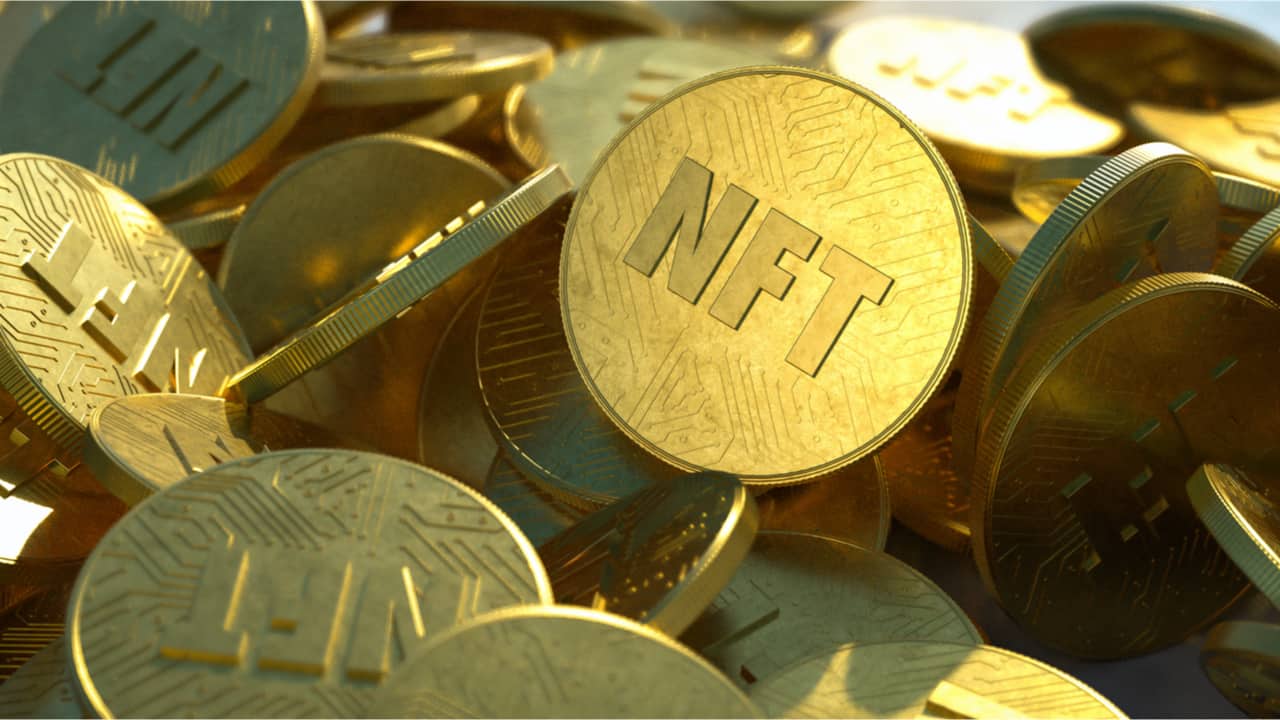
Wat zijn niet-verwisselbare tokens en wat maakt ze uniek? Hoe verschillen ze van cryptocurrency? Hoe werken ze? Wie kan NFT’s kopen? Wat zijn de risico’s van het kopen van NFT’s? Hier is je gids. NFT’s winnen nu enorm aan populariteit omdat ze een steeds populairdere manier worden om uw digitale kunstwerken te presenteren en te verkopen. Niet-verwisselbare tokens (NFT’s) hebben, dankzij hun vermogen om waarde toe te kennen aan alles, van kunst tot muziek tot een eenvoudige selfie, de wereld stormenderhand veroverd.
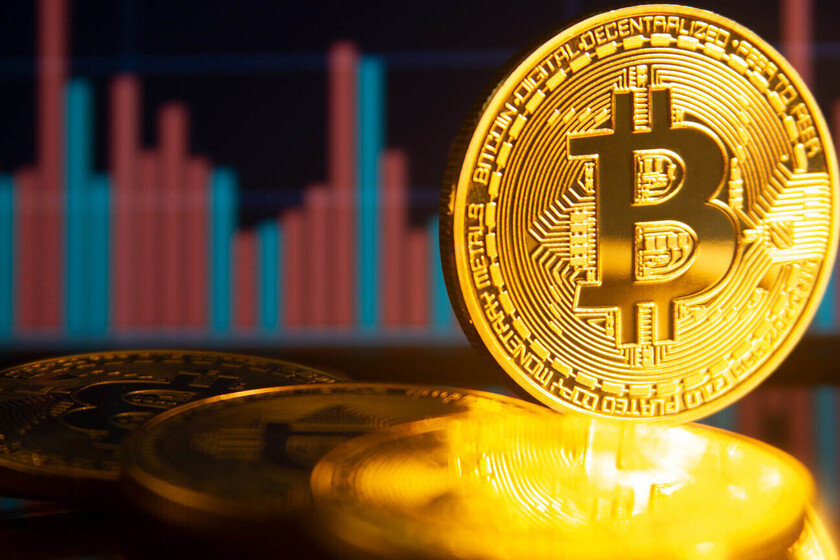
De verkoop van NFT’s steeg in 2021 met $ 25 miljard toen het crypto-activum in populariteit explodeerde, aangewakkerd door de toenemende interesse van beroemdheden en tech-evangelisten, volgens marktgegevenstracker DappRadar-gegevensanalyse. Sommige experts zijn echter van mening dat NFT’s een zeepbel zijn die zou kunnen knappen.
Wat zijn NFT’s?
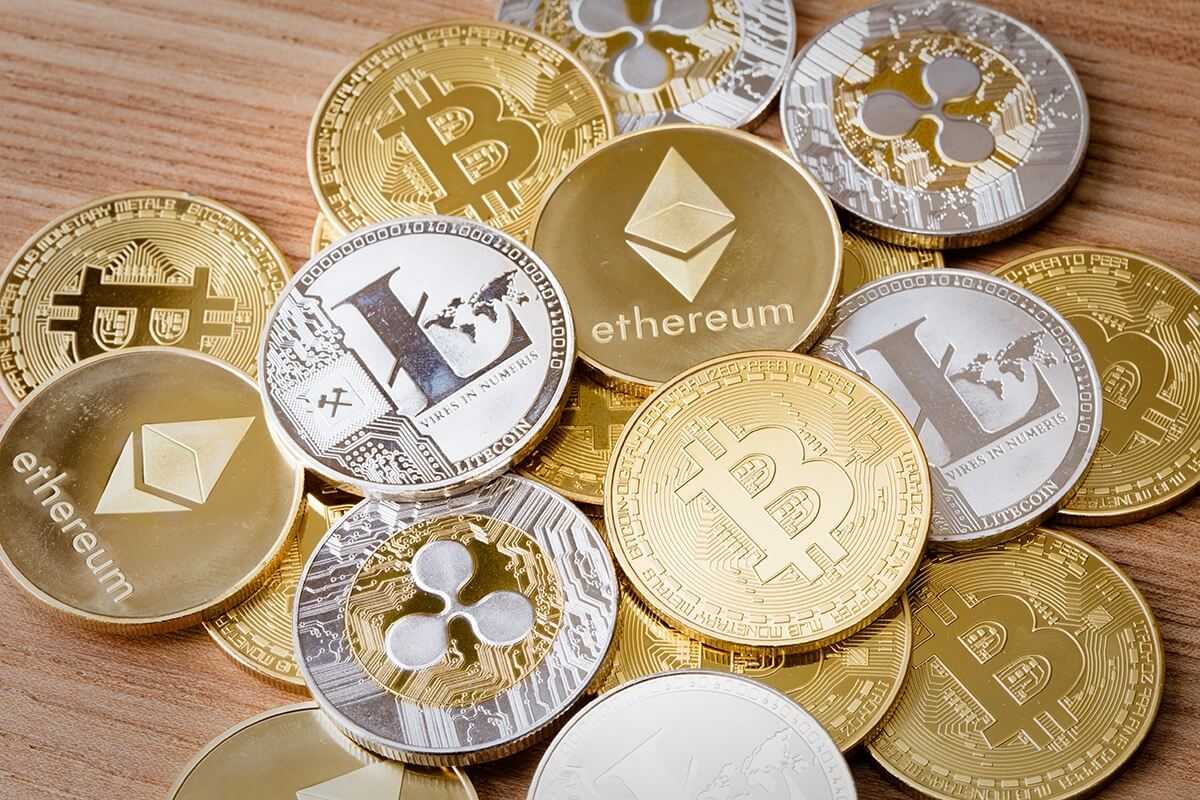
Alles wat kan worden omgezet in een digitale vorm kan een NFT zijn. Veelbelovende nft kopen is mogelijk online. Alles van je tekeningen, foto’s, video’s, GIF, muziek, in-game items, selfies en zelfs een tweet kan worden omgezet in een NFT, die vervolgens online kan worden verhandeld met behulp van cryptocurrency.
Maar wat NFT’s uniek maakt ten opzichte van andere digitale vormen, is dat het wordt ondersteund door Blockchain-technologie. Voor niet-ingewijden is Blockchain een gedistribueerd grootboek waarin alle transacties worden vastgelegd. Het is net als uw bankboekje, behalve dat al uw transacties transparant zijn en door iedereen kunnen worden bekeken en niet kunnen worden gewijzigd of gewijzigd nadat ze zijn vastgelegd.
NFT’s winnen nu enorm aan populariteit omdat ze een steeds populairdere manier worden om uw digitale kunstwerken te presenteren en te verkopen. Sinds het begin zijn miljarden dollars uitgegeven aan NFT’s – die dateert uit 2015, en Terra Nulius was de eerste NFT op Ethereum Blockchain, hoewel dit project slechts een idee was waarmee alleen een kort bericht kon worden aangepast dat vervolgens op blockchain werd vastgelegd . Toen kwamen Curio Cards, CryptoPunks en CryptoCats in 2017, voordat NFTS langzaam in het publieke bewustzijn kwam en zich begin 2021 uitbreidde naar de reguliere acceptatie.
Hoe werken NFT’s?
NFT werkt op blockchain omdat het gebruikers het volledige eigendom van een digitaal activum geeft. Als u bijvoorbeeld een schetskunstenaar bent en uw digitale activa converteert naar een NFT, krijgt u een eigendomsbewijs, mogelijk gemaakt door Blockchain.
Dus waarom zijn mensen bereid miljoenen uit te geven aan iets dat ze gemakkelijk kunnen screenen of downloaden?
In eenvoudige bewoordingen, wanneer u uw NFT op een marktplaats vermeldt, betaalt u een zogenaamde gasvergoeding (transactiekosten) voor het gebruik van de Blockchain, waarna uw digitale kunst vervolgens wordt opgenomen op Blockchain, met vermelding dat u (uw adres) eigenaar bent van de specifieke NFT. Dit geeft u het volledige eigendom, dat door niemand kan worden bewerkt of gewijzigd, ook niet door de eigenaar van de marktplaats.
Er wordt dus een NFT gecreëerd, of zoals crypto-enthousiastelingen zeggen, het is “geslagen”, om exclusieve eigendomsrechten te krijgen. NFT’s kunnen slechts één eigenaar tegelijk hebben. Naast exclusief eigendom kunnen NFT-eigenaren hun artwork ook digitaal ondertekenen en specifieke informatie opslaan in hun NFT-metadata. Dit is alleen zichtbaar voor de persoon die de NFT heeft gekocht.
Waarin verschilt een NFT van cryptocurrency?
NFT’s en cryptocurrencies zijn erg verschillend van elkaar. Hoewel beide op Blockchain zijn gebouwd, houdt daar de overeenkomst op. waar nft kopen Nederland? Cryptocurrency is een valuta en is fungibel, wat betekent dat het uitwisselbaar is. Als u bijvoorbeeld één crypto-token bezit, bijvoorbeeld één Ethereum, zal het volgende Ethereum dat u bezit ook van dezelfde waarde zijn. Maar NFT’s zijn niet-fungeerbaar, dat betekent dat de waarde van de ene NFT niet gelijk is aan de andere. Elke kunst is anders dan andere, waardoor het niet vervangbaar en uniek is.
Wie kan NFT’s kopen?
Iedereen die een cryptocurrency-portemonnee heeft, kan een NFT kopen. Dat is de enige voorwaarde om een NFT aan te schaffen. Je hebt geen KYC-documenten nodig om een kunstwerk te kopen. Het enige dat u nodig hebt, is een cryptocurrency-portemonnee aangedreven door Metamask en een NFT-marktplaats waar u NFT’s kunt kopen en verkopen.
Enkele van de grootste NFT-marktplaatsen zijn:
OpenSea.io: Aangeprezen als de grootste NFT-marktplaats, kun je digitale kunst vinden, er zijn verzamelobjecten, waaronder game-items, domeinnamen en zelfs digitale representaties van fysieke activa op OpenSea. In wezen is het platform als een eBay voor NFT’s met miljoenen digitale activa, georganiseerd in honderden categorieën.
Rarible: Vrij gelijkaardig aan OpenSea, is Rarible ook een van de grootste NFT-marktplaatsen die artiesten en makers in staat stelt om NFT’s uit te geven en te verkopen.
Foundation: dit is een unieke NFT-marktplaats waar kunstenaars “upvotes” van collega-makers moeten ontvangen om hun kunst te plaatsen. Kunstenaars plaatsen NFT’s voor veiling tegen een minimumprijs, en zodra het eerste bod is geplaatst, begint een 24-uurs veilingaftelling. Als er binnen de laatste 15 minuten een bod wordt uitgebracht, wordt de veiling met nog eens 15 minuten verlengd.
Wat zijn de risico’s van het kopen van NFT’s?
NFT’s hebben, net als elke andere entiteit, ook een duistere kant. In het recente verleden zijn verschillende gevallen van NFT-zwendel gemeld, waaronder: opkomst van nep-marktplaatsen, niet-geverifieerde verkopers die zich vaak voordoen als echte kunstenaars en kopieën van hun kunstwerken verkopen voor de halve prijs.
Onlangs is de NFT-collectie CryptoBatz van popcultuuricoon Ozzy Osbourne live gegaan. Mensen klaagden over een mogelijke phishing-link die door de artiest werd gedeeld en die hun crypto-wallets leegmaakte. Minstens 1330 mensen hadden het nep-NFT-project bezocht. Een Ethereum-portemonneeadres dat aan de oplichters was gekoppeld, had op 20 januari een reeks inkomende transacties ontvangen van in totaal 14,6 ETH ($ 40.895).
Bij een ander incident zei een NFT-verzamelaar, Todd Kramer, gevestigd in New York, dat zijn verzameling van zestien Bored Ape Yacht Club (BAYC) NFT’s ter waarde van $ 2,28 miljoen (ongeveer Rs 16,94 crore) was “gehackt”. De eigenaar van de NFT’s Todd Kramer zei dat NFT-marktplaats OpenSea de activa voor hem had “bevroren”, waaronder een Clonex, zeven Mutant Ape Yacht Club en acht BAYC NFT’s die momenteel worden gewaardeerd op ongeveer 615 Ether.
Een ander risico van NFT’s dat niet onder het tapijt kan worden geveegd, is de onbetwistbare negatieve impact op het milieu. Om transacties te valideren, wordt cryptomining gedaan, waarvoor krachtige computers nodig zijn die op een zeer hoge capaciteit draaien, wat uiteindelijk de omgeving aantast.